Camp Sober Fest Day 2: Guiding Meditation and Realizing How Much Can Change in a Year
Day 2 at Camp Sober Fest (CSF) started bright and early for some people.
I was not one of those people.
Every morning from 7 to 8 AM, camp offers yoga and a recovery meeting simultaneously, followed by breakfast from 8 to 9 and breakout groups with your assigned camp team from 9 to 9:45.
I have to admit, I didn't go to any of it.
Your girl likes to sleep in.
I'm a slow riser and definitely more of a night owl. I've spent most of my life trying to convince myself that one day I'm magically going to become an early bird, and at this point I've accepted that it just isn't in the cards for me.
I woke up around 8:30 but took my time getting ready and starting my day. I had slept surprisingly well in my little bottom-bunk cave, and since I was leading a guided meditation by the lake that evening, I wanted to have a slower morning and make sure everything was ready. I needed to test my microphone, make sure my speaker worked with the ambient music I had downloaded before going off the grid, and figure out exactly where I wanted everyone to gather by the lake.
But before any of that, I had another priority.
I wanted as much lake time as possible.
lake time >
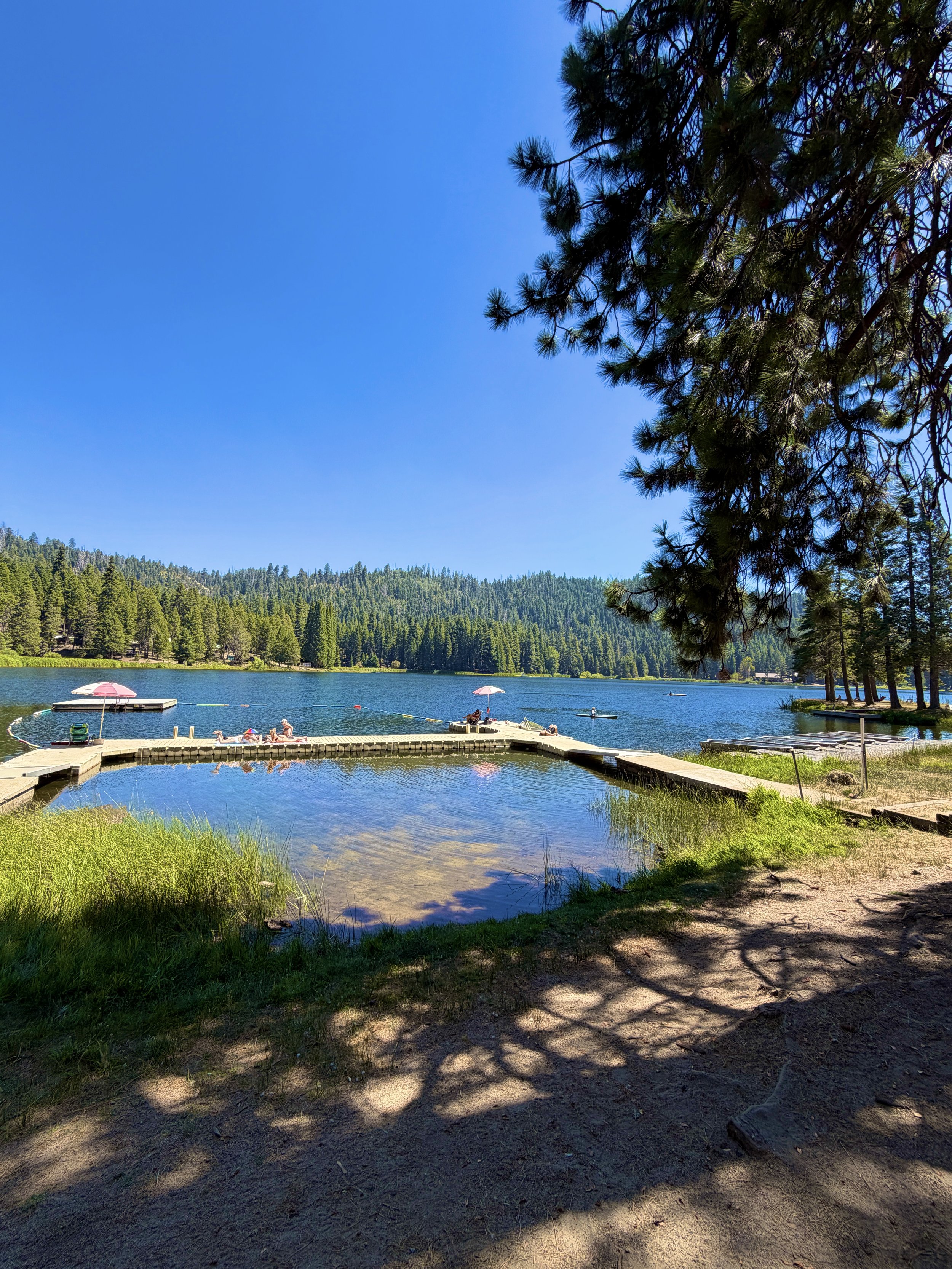
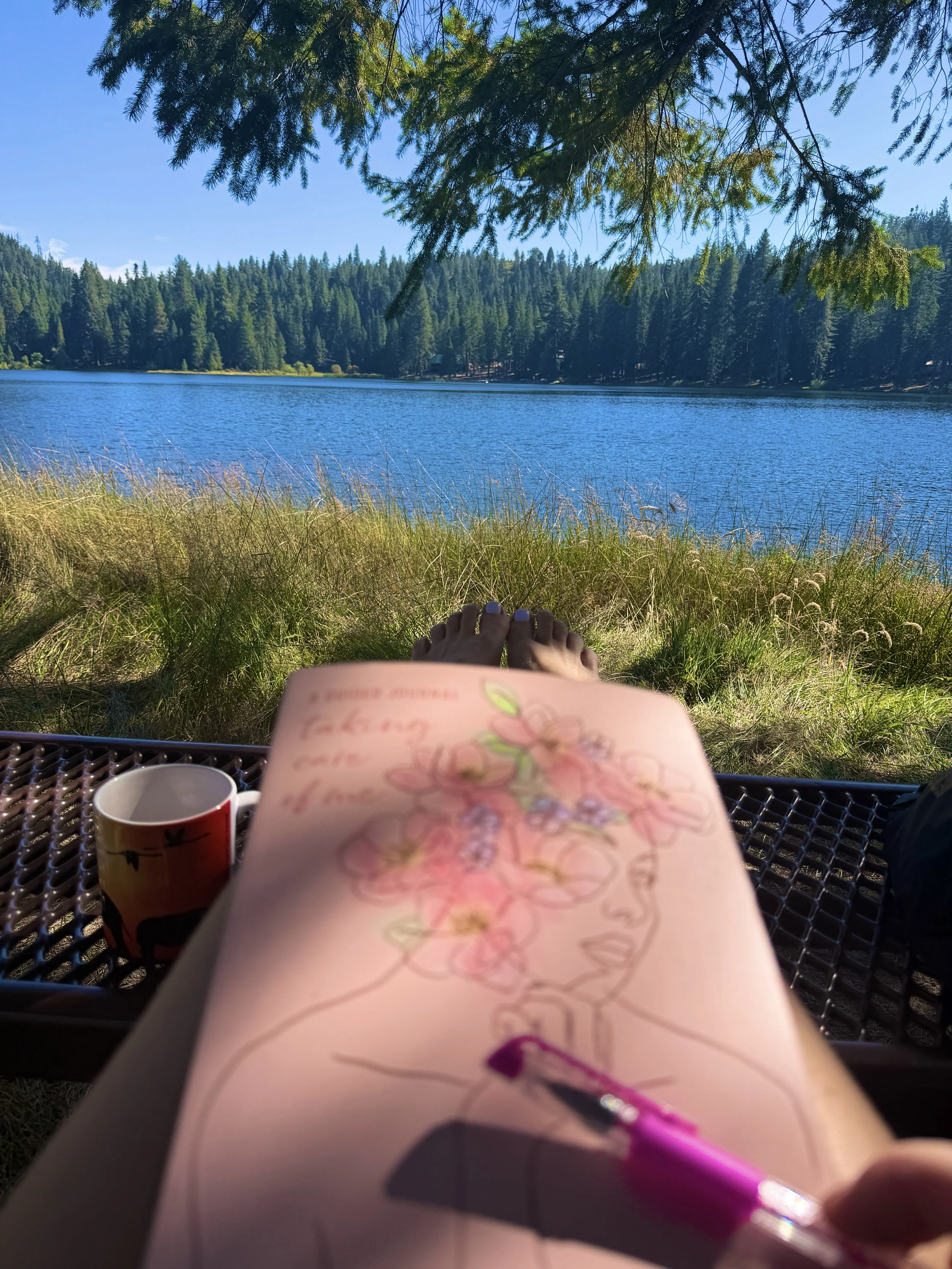
CSF takes place at a YMCA camp on Sequoia Lake, and our lodge literally overlooks the water. The lake is surrounded by other private camps, so being there feels like you're tucked away in your own little world.
I grew up going to lakes with my family. We had a motorhome and a pontoon boat, and some of my favorite childhood memories involve being out on the water. Last year at CSF, I did a lot of the physical activities like hiking and the high ropes course, but when I left I remember thinking that I hadn't spent nearly enough time actually enjoying the lake.
I wasn't making that mistake again.
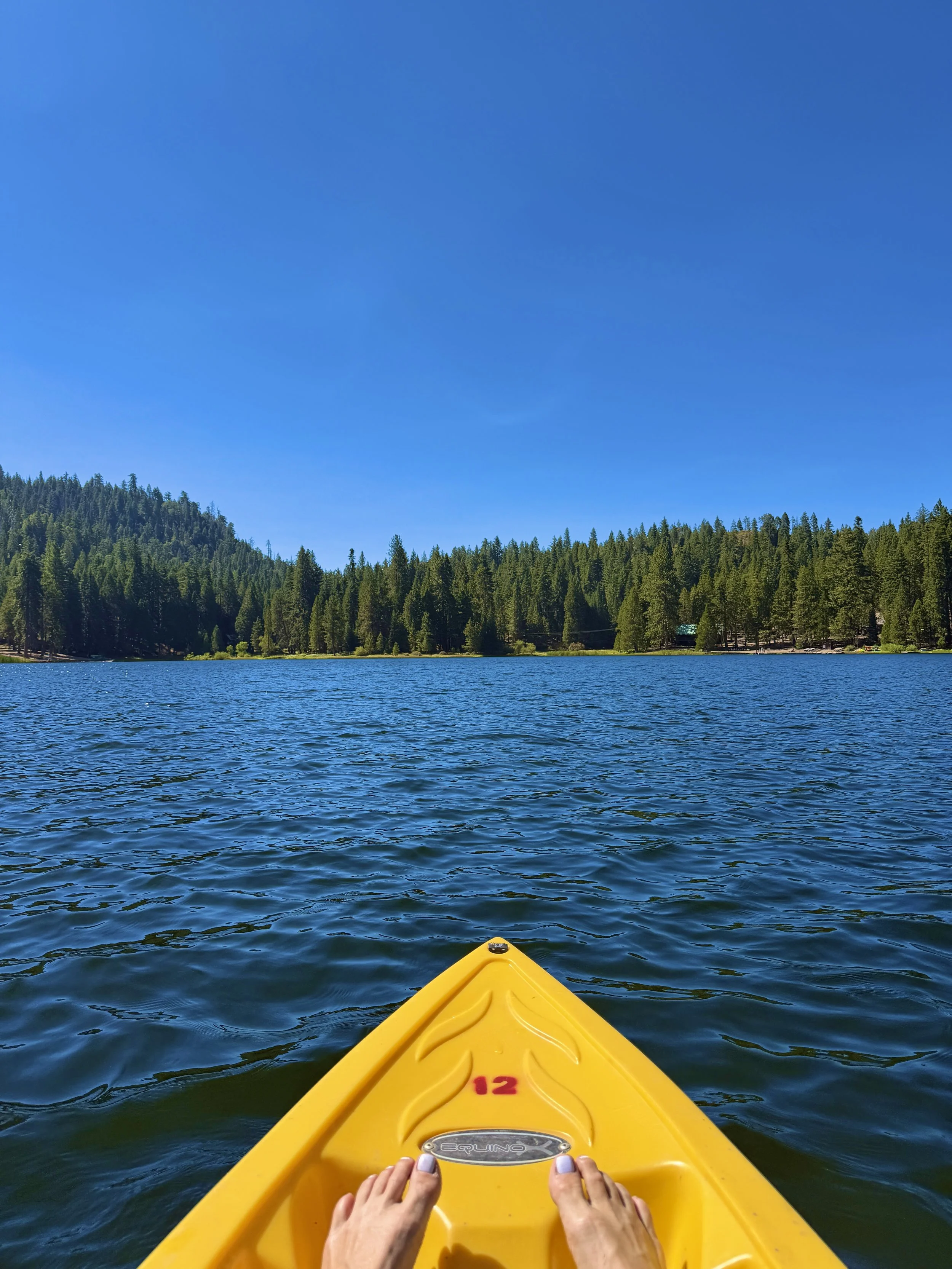
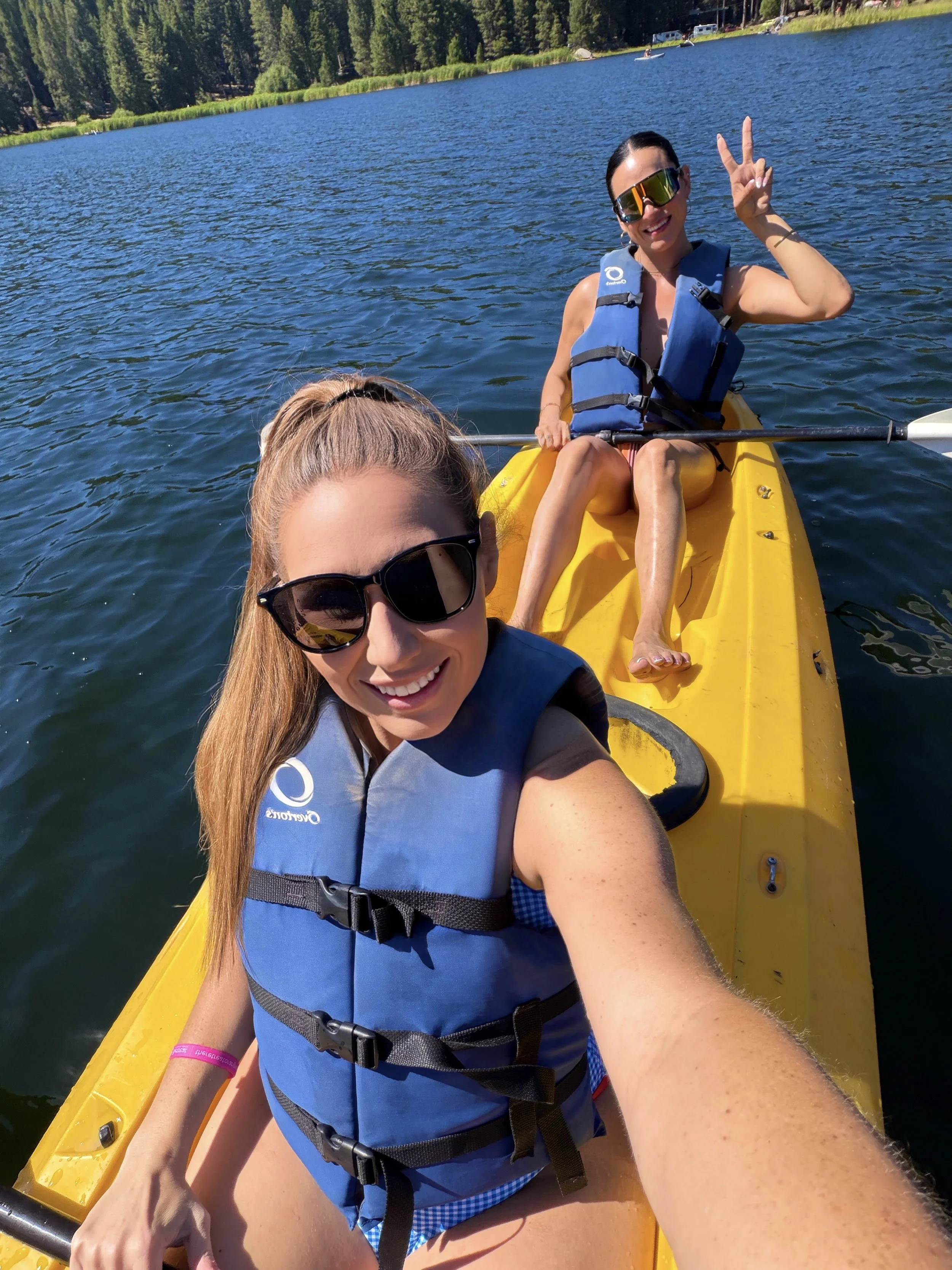
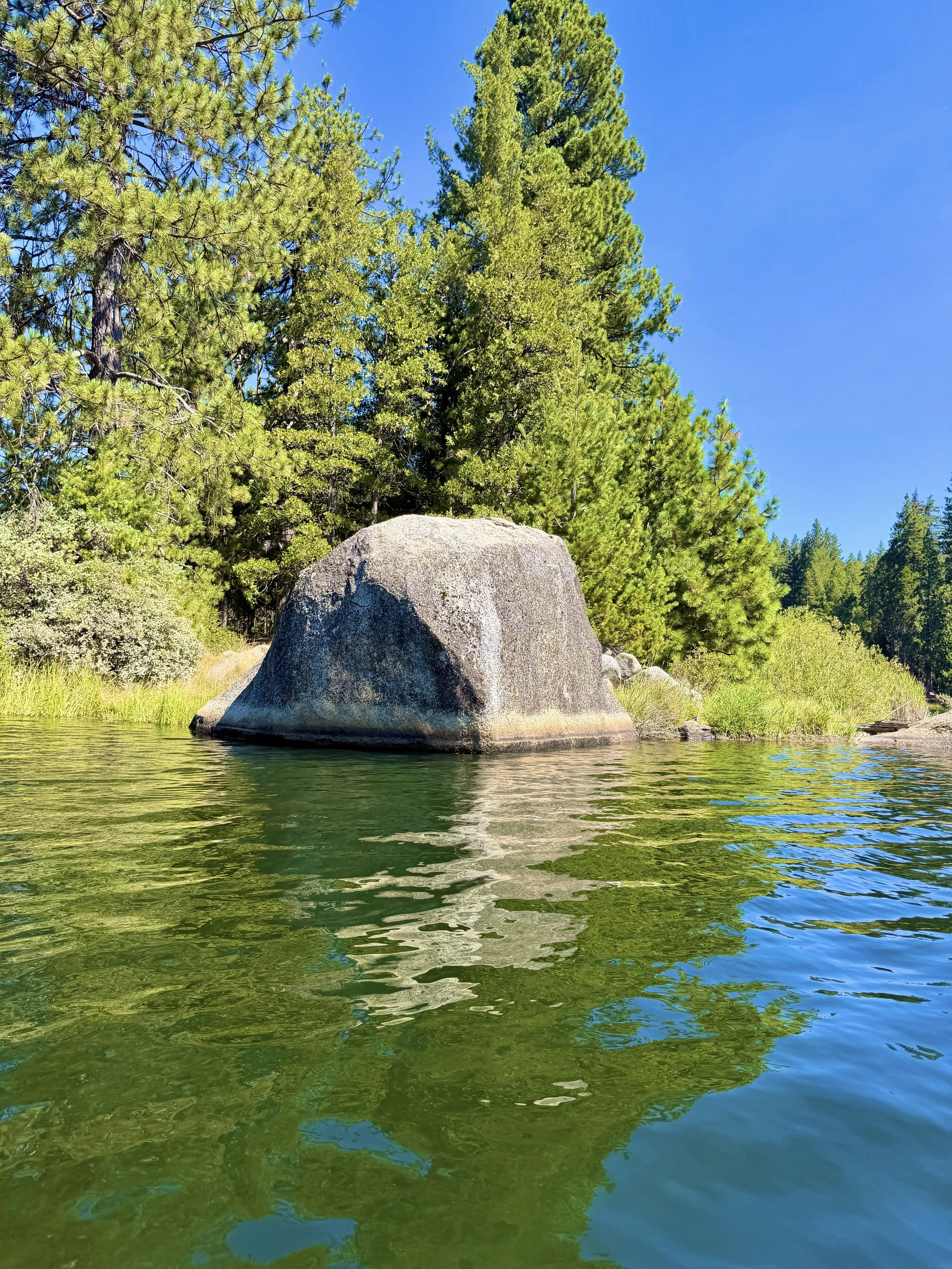
Once the lake opened, one of my cabin roommates and I grabbed kayaks and went exploring. We paddled around the lake, found some incredible boulders that dropped down into the water, and basically gave ourselves a little tour. I desperately wanted to jump off some of them, but swimming is only allowed in the designated areas, so I behaved.
It ended up being such a nice opportunity to get to know my roommate better while taking in how beautiful everything was.
We also ran into some familiar faces on the water, including one of my friends who helped connect me with a local behavioral health facility where I now facilitate weekly sound baths for people in recovery. It was great getting to catch up with her in such a completely different environment.
After kayaking, we headed back for lunch from 12 to 1, and then, obviously, I went right back to the lake.
I had brought a float specifically for this trip, and I intended to use it.
the Cabins at csf
Around 3 PM, I finally pulled myself away from the water to shower and start getting ready for the evening.
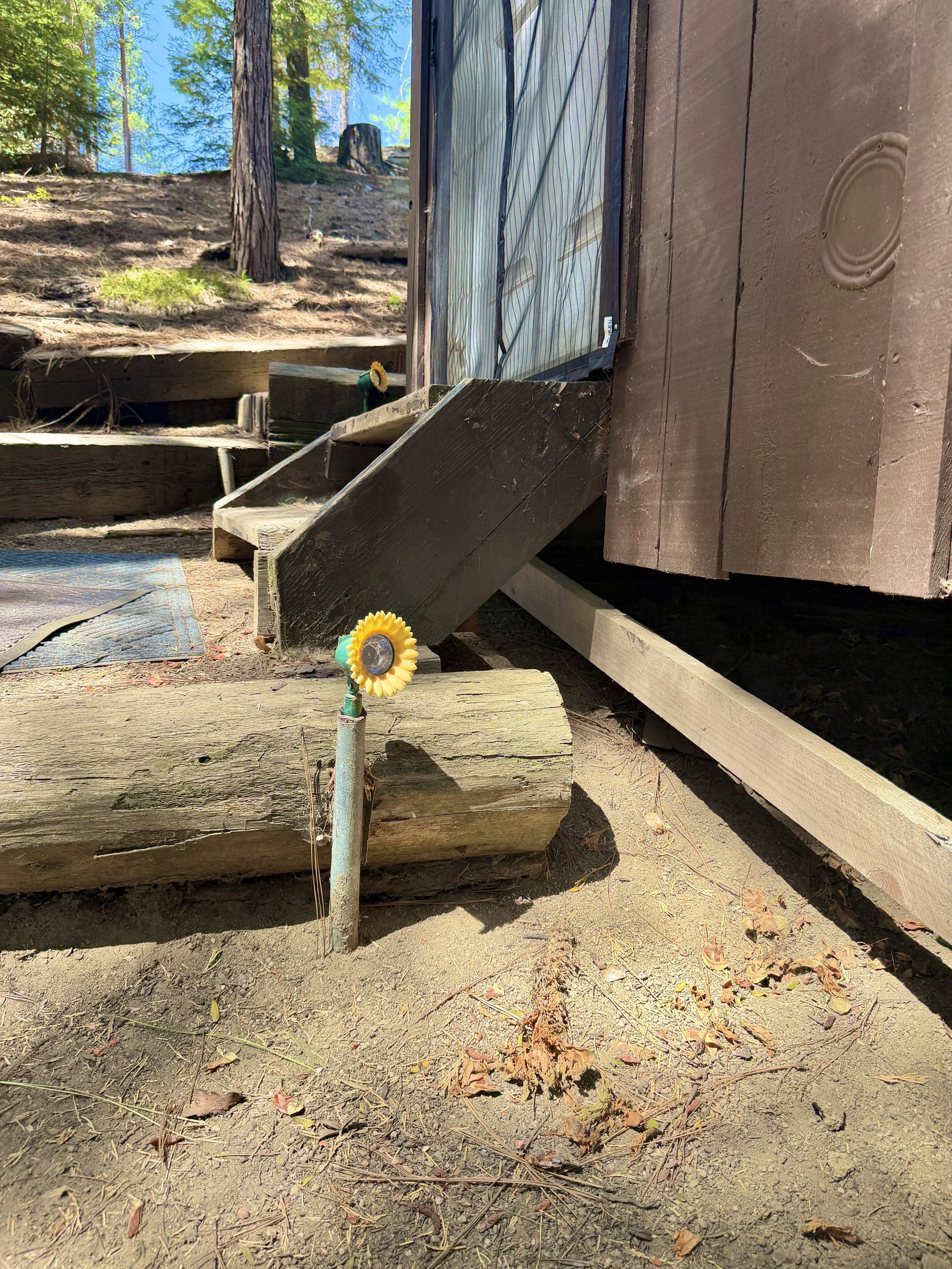
One thing worth knowing if you're considering CSF at Sequoia Lake is that most of the cabins don't have private bathrooms or showers. Our Redwood cabin was conveniently located next to a bathroom, but that particular bathroom didn't have showers, so we had to walk to another building to shower.
Honestly, it wasn't a big deal to me.
But if having your own bathroom and shower is important to you, look for one of the apartment-style cabins when registering. There aren't many of them, so they tend to go quickly.
After getting ready, we had dinner from 5 to 6 PM, followed by one of the experiences I think makes CSF so special.
A Little Y2K Moment at Camp
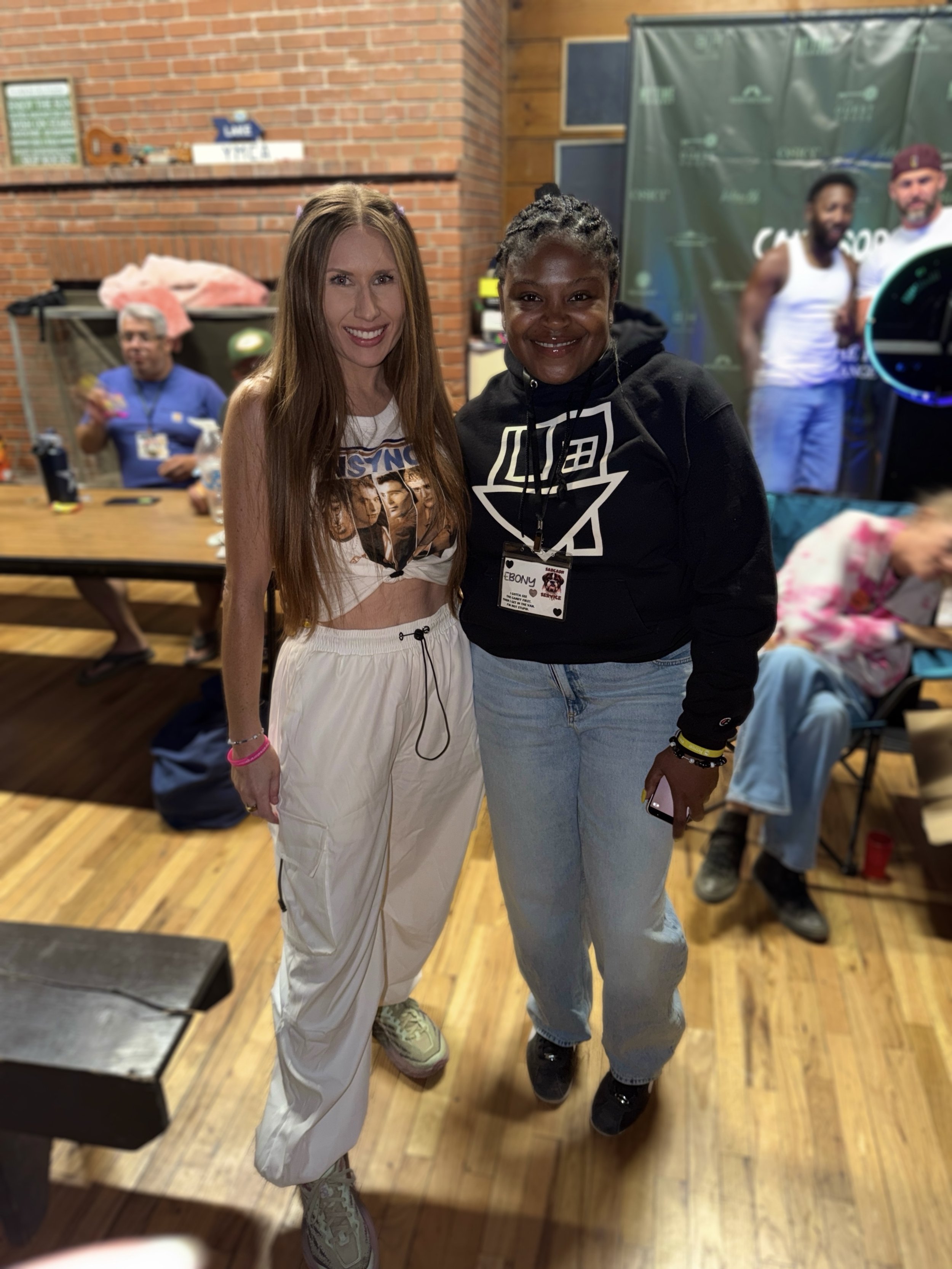
Dinner also had a theme that night, and everyone was encouraged to dress as their favorite era. These theme nights are completely voluntary, but they're so fun because people get incredibly creative with them. I chose Y2K, obviously, and was fully channeling my Backstreet Boys/*NSYNC era. I wore all white, put butterfly clips in my hair, and completed the look with an *NSYNC shirt. It was such a fun little throwback, and I loved walking around seeing everyone's interpretation of their favorite era. Tomorrow's theme is onesies, so I'm already looking forward to seeing what everyone comes up with. I love that CSF incorporates silly things like this because recovery and sober community don't always have to be serious. There can be so much joy, playfulness, creativity, and just pure fun in it too.Recovery Stories by the Campfire
From 6:30 to 7:30, we gathered around the campfire overlooking the lake for a recovery speaker meeting.
The speaker was someone I had met at previous Camp Sober Fest events, but hearing someone's story for an entire hour is completely different from casually knowing them around camp.
There's something powerful about being given a glimpse into someone's life that way. You may have laughed with them, eaten meals together, or seen them at other events, but then you sit down and hear about what they've experienced, what brought them into recovery, and how their life has changed.
It allows you to see another layer of someone.
The setting makes it even more beautiful. You're sitting around a campfire as the sun starts going down over the lake, listening to someone share a deeply personal part of themselves with a group of people who understand recovery in many different ways.
As soon as the meeting ended, it was time for me to get ready for something I had been looking forward to all day.
Preparing to Guide Meditation
I forgot to mention something that happened the night before.
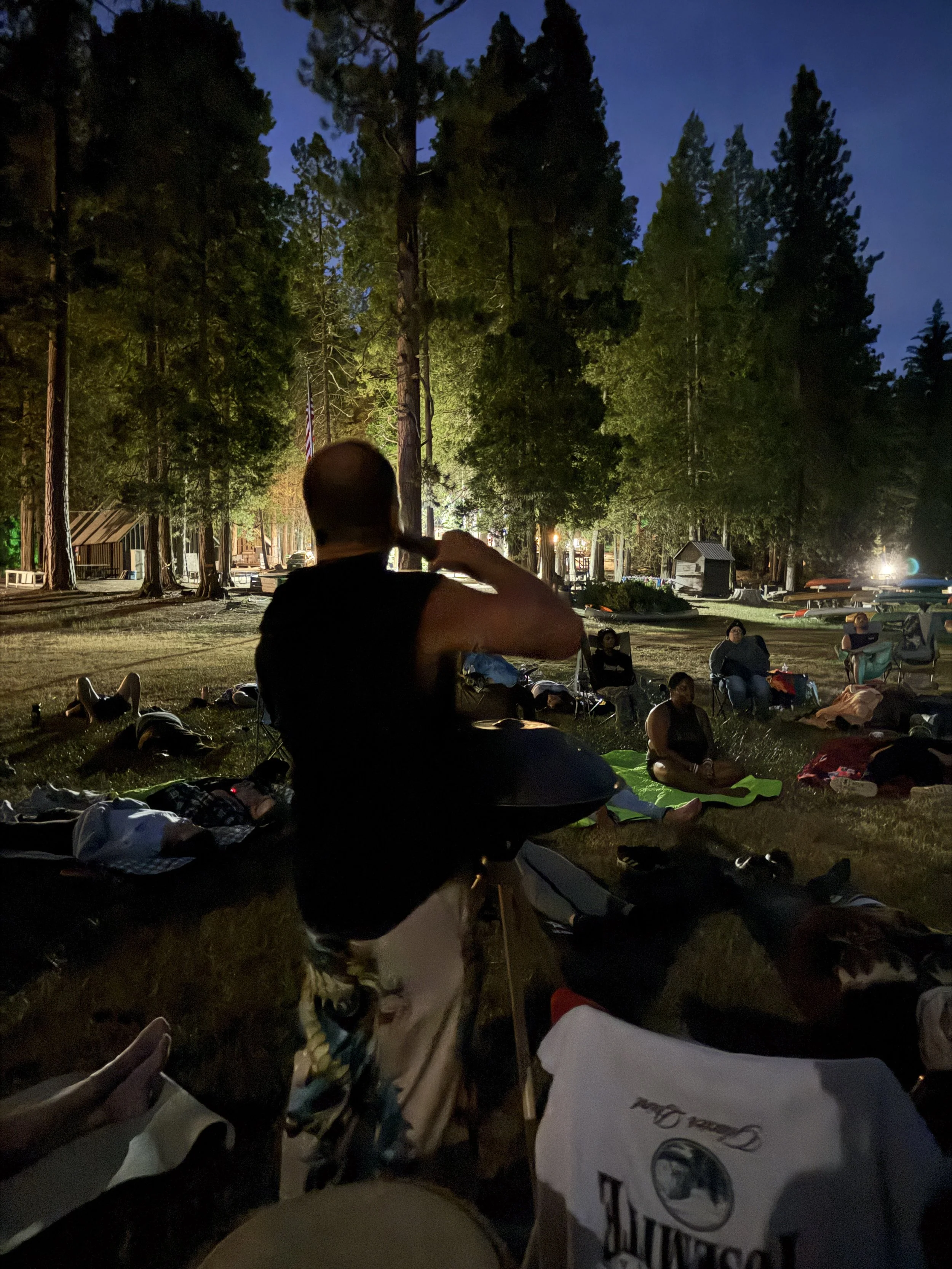
After the campfire, one of my friends introduced me to a gentleman named Josh who lives in Southern California. He's also a Reiki Master and sound bath practitioner, and he had brought several sound instruments to camp. He created this cozy little tent filled with pillows where people could receive mini sound baths, and he brought instruments including drums, a didgeridoo, and a handpan.
When he offered to bring some of his instruments to my meditation, obviously I wasn't going to turn that down.
I had originally planned to lead the meditation myself with ambient background music, but adding live sound felt like such a beautiful collaboration.
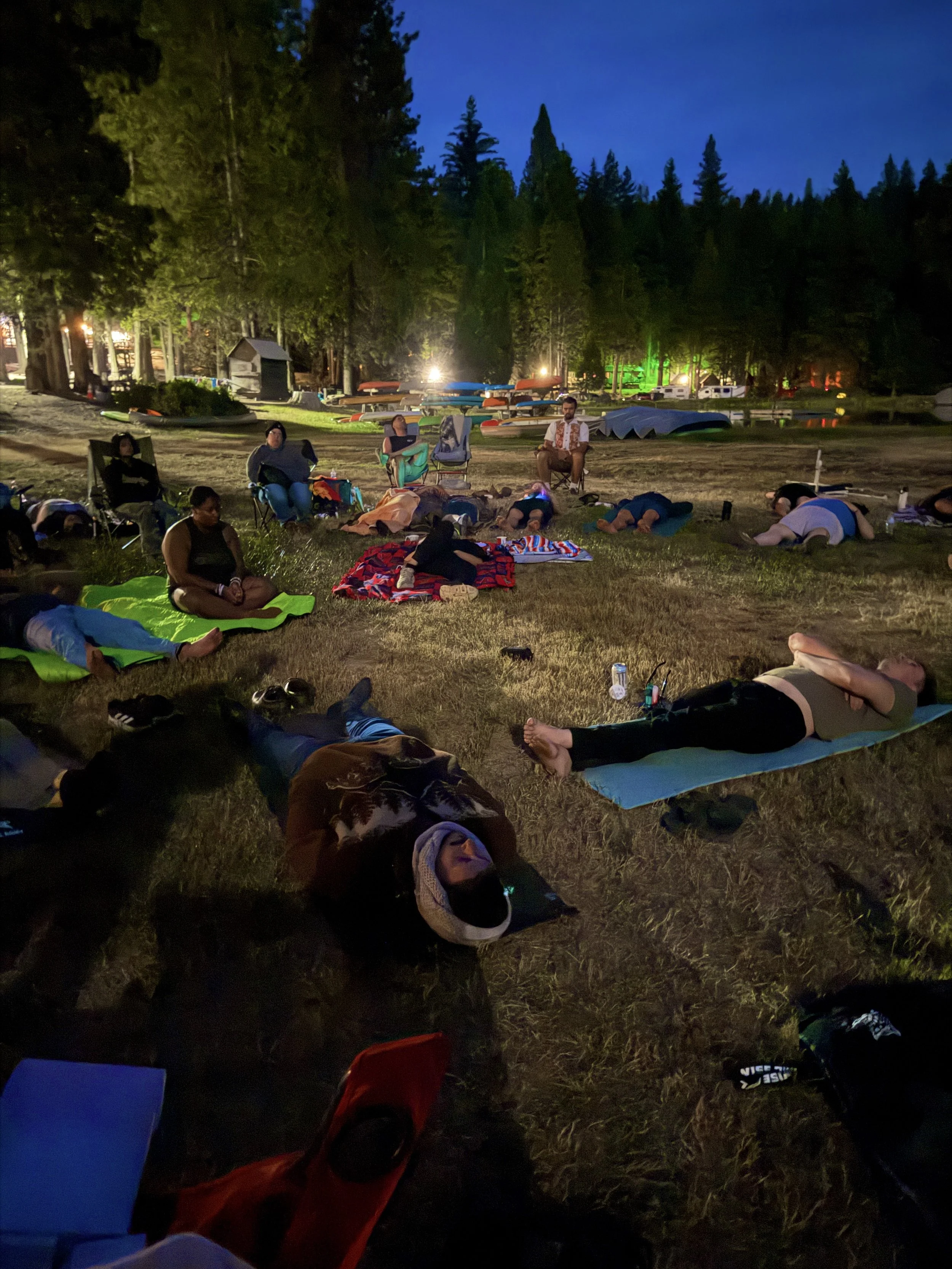
As people started arriving, I couldn't believe how many showed up.
I would estimate there were around 30 to 35 people.
Everyone brought whatever they needed to get comfortable. Yoga mats, blankets, towels, chairs. We gathered in a circle on the grass beside the lake while I set up my speaker and microphone.
Josh began playing the handpan, and then I introduced everyone to the practice.
first meditation experience
I chose one of my more general Yoga Nidra scripts for the evening because I wanted it to feel accessible to everyone.
I knew there would be people with completely different experiences with meditation. Some practiced regularly, while others had probably never intentionally meditated before. I didn't want anyone to feel like they needed to believe something specific or understand spiritual language to participate.
I wanted them to be able to lie down, listen, and receive whatever they needed from the experience.
Afterward, several people stayed behind to talk to me.
Some told me they had never thought they were capable of meditating until that night. Others described deeply emotional experiences. A few shared memories or imagery connected to their childhoods, and some described feeling connected to loved ones who had passed away.
I don't interpret those experiences for people or tell anyone what they mean. That's theirs.
But I can listen.
And I can hold space while someone processes what came up for them.
That evening reminded me how seriously I take that responsibility.
Why I Feel Called to This Work
I stayed by the lake for almost another hour talking with people about what they experienced.
I was honestly in awe.
Something I feel so deeply connected to had created an environment where people felt safe enough to slow down, turn inward, and experience something meaningful for themselves.
Before every offering I facilitate, my intention is centered around love and the highest outcome for everyone receiving it. I can't control what someone's experience will be, nor would I ever want to. My job is to create the container, guide the practice, and allow each person to have their own experience.
Standing beside the lake that night, I felt such a strong reminder of why I'm drawn to this work.
Being of service to my community gives my life an incredible amount of meaning and purpose. I love talking with people. I love listening to their stories. I love creating spaces where people feel safe enough to slow down.
And the experience also made me realize that I want to keep learning.
Supporting People in Recovery
I've been thinking more seriously about pursuing additional education or certification related specifically to recovery, potentially including peer recovery support.
I have my own lived experience, but lived experience doesn't automatically make someone qualified to support another person through everything that can arise in recovery.
That's important to me.
I'm not a licensed mental health professional, and I don't try to be one. I will always refer someone to therapy or appropriate clinical support when something falls outside my scope. The same applies to my work as a health and wellness coach, Yoga Nidra teacher, Reiki practitioner, and sound healing practitioner.
But when people trust me enough to share vulnerable experiences after one of my offerings, I want to continue educating myself about how to respond ethically and supportively while staying firmly within my scope of practice.
That feels like one of the next areas I'm being called to explore.
the Person Who Came Here Last Year
Eventually, I walked back toward the lodge, where karaoke was happening.
I was exhausted and didn't stay long. There was definitely no Staci karaoke performance that evening.
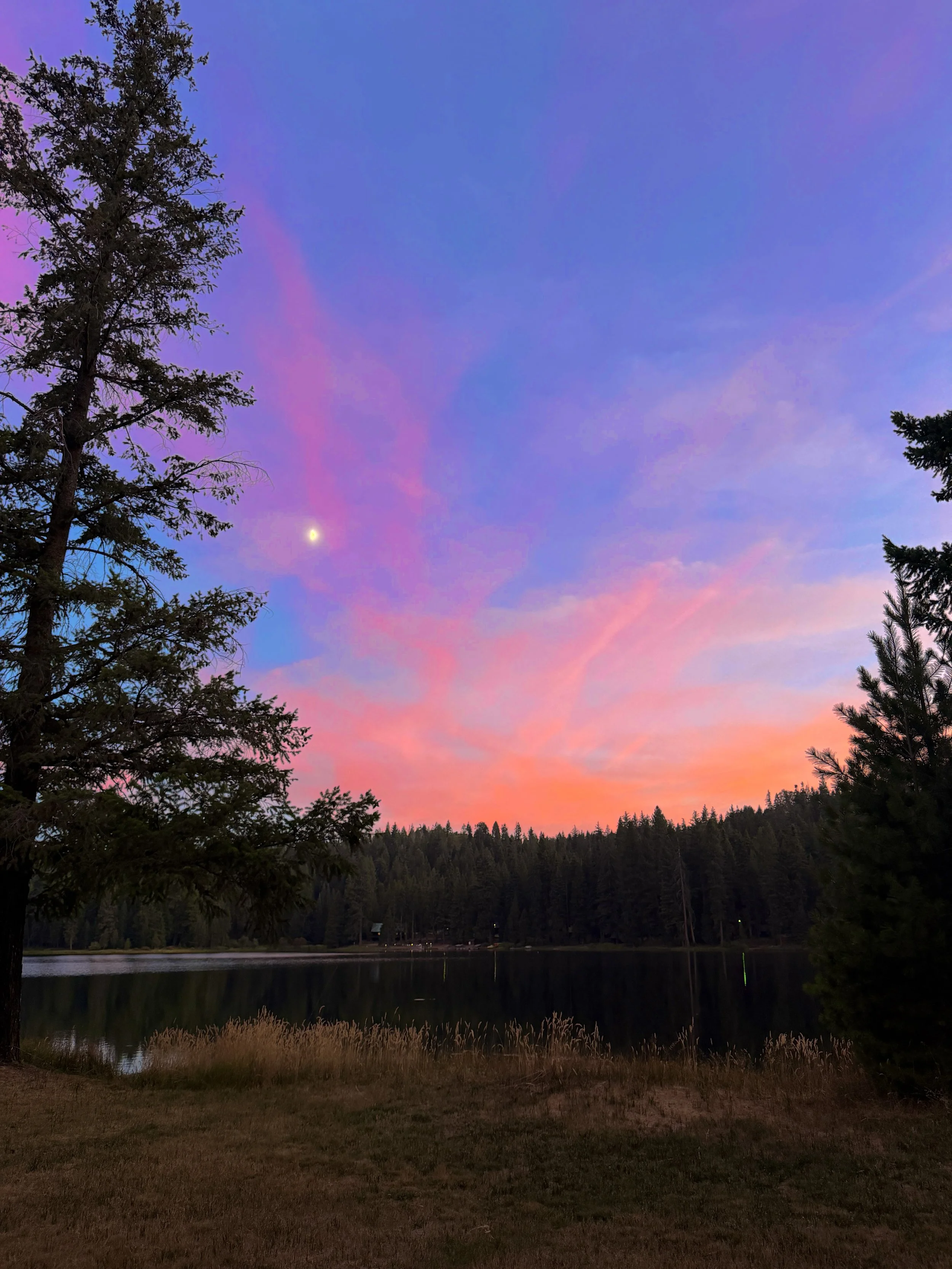
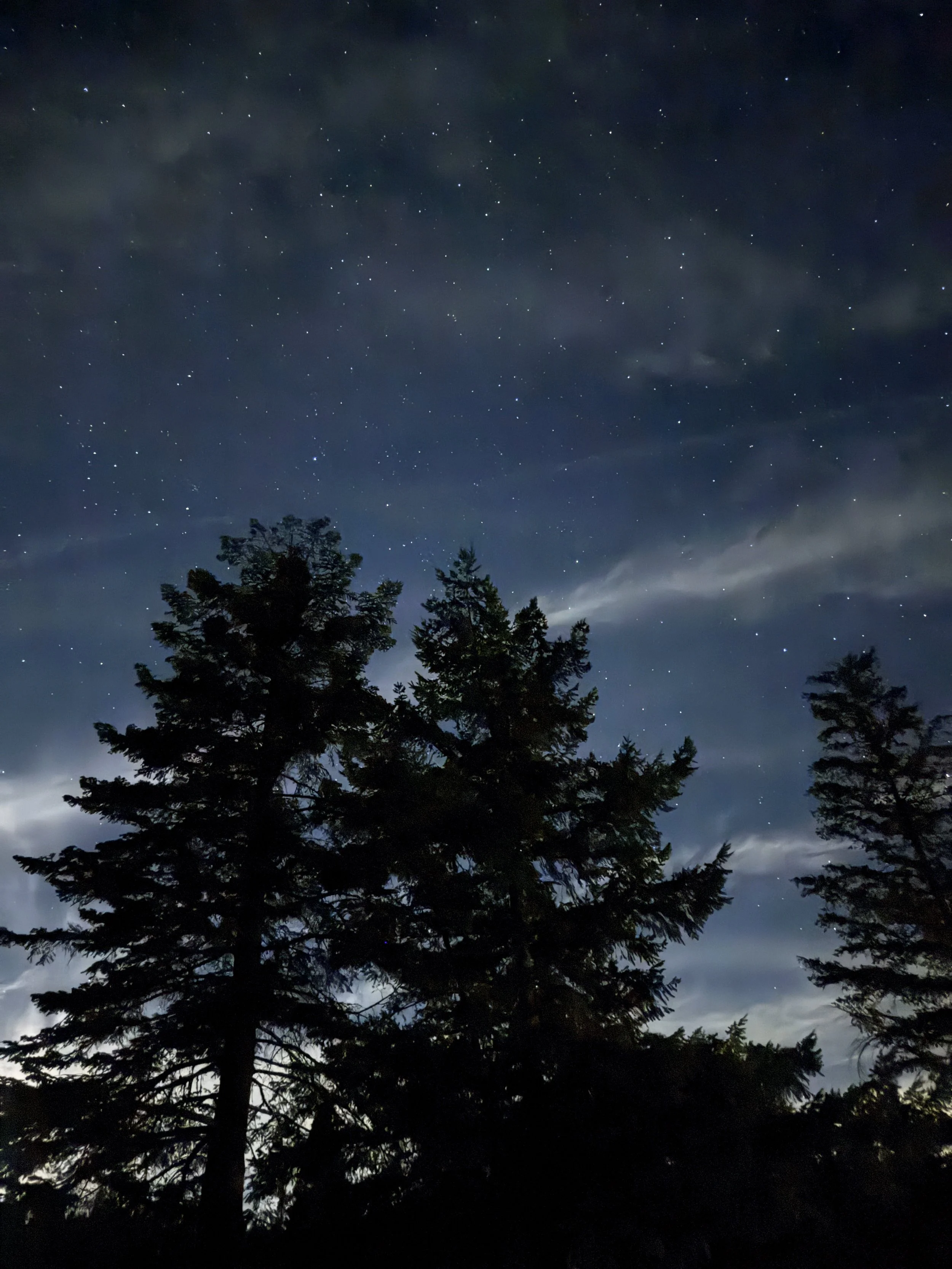
Instead, I went outside and spent some time under the stars.
And that's when another part of the day hit me.
I started thinking about my first CSF and how drastically different that experience had felt.
The first time I came here, I was completely out of my comfort zone. I didn't know many people, I was in the middle of the woods, and I had no cell service.
If you have AT&T out there, you're basically done.
During that first camp, I felt like a little hotspot addict. I was constantly looking for Wi-Fi, trying to connect to something, checking whether I could get online, and wanting access to social media.
Looking back, I understand it differently now.
When you remove alcohol from your life, you're removing something that is deeply woven into social experiences in our culture. Then imagine putting yourself in an unfamiliar environment, surrounded by people you don't know, in the middle of the forest without Wi-Fi.
There was nowhere to hide.
I think a big question underneath my first CSF experience was:
Who is Staci without any of it?
Who am I without alcohol as a social crutch? Who am I without my normal environment? Who am I without social media, constant notifications, validation, or the ability to distract myself whenever I become uncomfortable?
I was still figuring that out.
what a difference a year can make
This time felt completely different.
I didn't care that I didn't have service.
I didn't even want it.
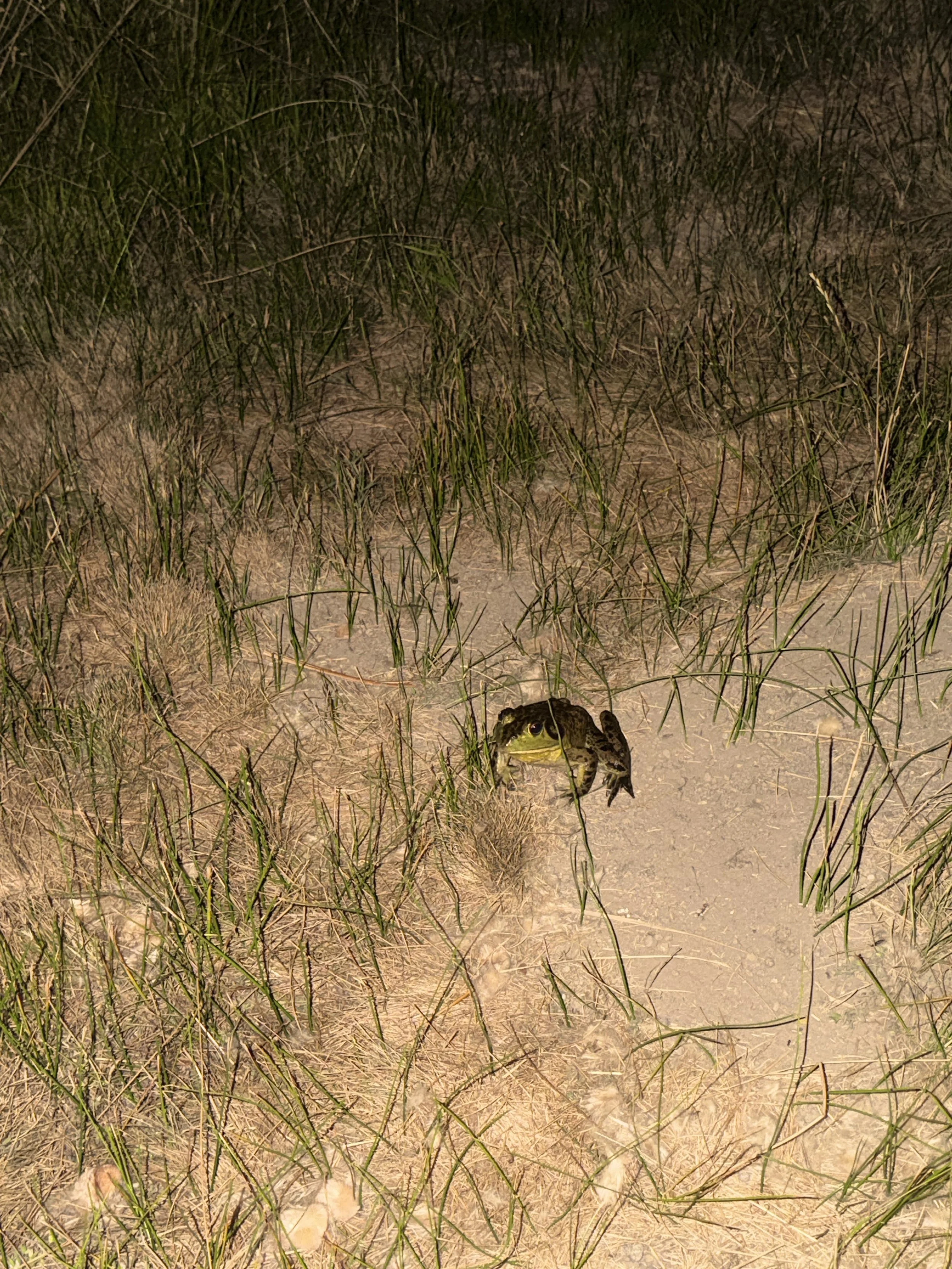
My phone had basically become a camera and a way to play the meditation music I had downloaded ahead of time. I used it to photograph the trees, the lake, my meditation setup, and little moments I wanted to remember.
That was about it.
There was no searching for a hotspot. No wondering what was happening online. No need to post something immediately so someone else could validate the experience I was currently having.
I could just experience it.
What a beautiful thing one year can do.
I could sit beside the lake underneath the stars and simply be Staci.
Nothing attached to it.
No substance. No searching. No validation hit. No dopamine hit from an app telling me somebody liked something I posted.
Just my own presence.
And I was happy there.
Maybe That's Where the Real Change Happens
When I think about day two of Camp Sober Fest, of course I'll remember guiding Yoga Nidra beside the lake and the conversations that followed.
I'll remember kayaking, floating in the water, listening to someone's recovery story around the campfire, collaborating with another sound practitioner, and looking up at a sky filled with stars.
But I think I'll also remember realizing that I wasn't searching for anything.
I was already there.
Present.
Grounded.
Grateful.
And completely comfortable being with myself.
So that's what I'll leave you with today.
How are you grounding yourself in ordinary moments? How are you loving and respecting yourself in small, everyday ways? And when there's nothing around to distract you, entertain you, validate you, or numb you, how does it feel to simply be with yourself?
I think there's a lot of beauty there.
And maybe that's where some of our biggest changes happen.
FAQ
What happens at Camp Sober Fest?
My experience included recovery meetings, yoga, group activities, swimming, kayaking, campfires, wellness offerings, meals, speakers, and plenty of downtime. One thing I appreciate is having the freedom to choose which activities feel supportive.
Do you have to be an experienced meditator to practice Yoga Nidra?
No. Several people at my lakeside session told me they didn't think they could meditate before participating. Yoga Nidra is guided, so you're listening and following along rather than trying to make your mind completely blank.
What was it like going without cell service at Sequoia Lake?
This year, surprisingly freeing. Compared with my first experience, when I kept searching for Wi-Fi, I barely thought about being online. It became one of my favorite parts of the weekend.
Is Yoga Nidra a replacement for therapy or recovery treatment?
No. I offer Yoga Nidra as a complementary wellness practice, not mental health or substance-use treatment. When someone needs support outside my scope, I believe strongly in connecting them with qualified clinical professionals.